
Moringa oleifera is known for its impressive nutritional benefits, but as with all plant-based supplements, concerns about contamination—especially heavy metals—are valid. This guide explains the risks, how contamination happens, what the science says, and how Pura Vida Moringa ensures safe products.
Table of Contents
- Overview: Contamination Concerns
- Heavy Metals in Moringa Powder
- Other Contaminants: Mycotoxins & PAHs
- How Contamination Occurs
- Safety Regulations & Limits
- Pura Vida Moringa’s Safety Practices
- Consumer Best Practices
- FAQs
- References
Overview: Contamination Concerns
Moringa powder can absorb heavy metals from the soil (lead, cadmium, arsenic, mercury) and may be exposed to toxins during storage or processing. Most reputable brands monitor and minimize these risks.
Heavy Metals in Moringa Powder
- Lead, Cadmium, Mercury, Arsenic: Studies show most commercial moringa powders contain levels below international safety thresholds, but rare samples may exceed them if grown in contaminated soil.
- Testing: Certified organic and lab-tested powders have consistently safer profiles.
| Heavy Metal | Typical Range (mg/kg) | EU Safety Limit (mg/kg) |
|---|---|---|
| Lead | 0.001–3.285 | 0.3 |
| Cadmium | <0.182 | 0.2 |
| Mercury | 0.010–0.366 | 0.1 |
| Arsenic | <1.574 | 0.1–0.3 |
Other Contaminants: Mycotoxins & PAHs
- Mycotoxins: Mold toxins from poor storage, e.g., aflatoxins, are rare but possible. Safety limit: 10 µg/kg.
- PAHs: Can occur if dried over open fires but generally rare in certified products.
How Contamination Occurs
- Soil: Main source for heavy metals.
- Storage: Improper conditions can introduce mycotoxins.
- Processing: Drying over combustion sources may lead to PAHs.
Safety Regulations & Limits
- EU Regulation 1881/2006: Sets max levels for lead (0.3 mg/kg), cadmium (0.2 mg/kg), mercury (0.1 mg/kg), aflatoxins (10 µg/kg), and PAHs (50 µg/kg for dried herbs).
Pura Vida Moringa’s Safety Practices
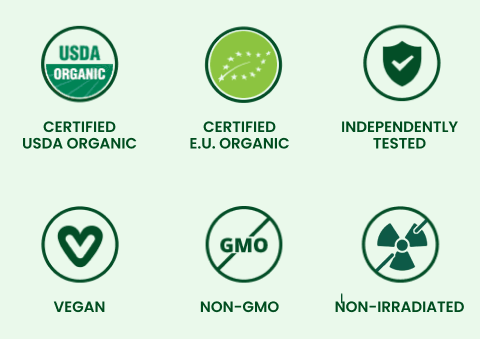
- Certified Organic by CCOF
- Independent Lab Testing for heavy metals and toxins
- Transparent Sourcing: Grown on clean soils in Nicaragua
- Non-GMO, Non-Irradiated, Vegan
- Thousands of Verified Reviews
Consumer Best Practices
- Buy certified organic and 3rd-party lab-tested powder
- Review brand transparency and certifications
- Store powder dry and cool
- Follow recommended daily dose (2–4g)
FAQs
Q: Is moringa powder safe for daily use? A: Yes, if certified organic and lab-tested.
Q: Who should avoid moringa powder? A: Pregnant/breastfeeding women and those with chronic disease should consult a doctor.
Q: How do I check safety? A: Look for lab test documentation and certifications.
References
- Limmatvapirat C. et al. (2015). Indian J Pharm Sci. 77(4):485–490.
- Grosshagauer S. et al. (2021). Front Nutr. 8:751076.
- Aissi AK. et al. (2014). Food Nutr Sci. 5:770–8.
Disclaimer
This content is for informational purposes and is not medical advice. Always consult your healthcare provider before starting new supplements, especially if you have a medical condition or take medication.