Can Moringa Powder Interact with Medications? What You Need to Know
Moringa powder, made from the leaves of the Moringa oleifera tree, is packed with nutrients and often taken as a supplement for energy, immunity, or overall health. However, if you take prescription medications, understanding possible interactions is essential for your safety. This guide explains moringa’s main interactions with common drugs, who should be cautious, and best practices for safe use.
Table of Contents:
- What is Moringa Powder?
- Potential Medication Interactions
- Who Should Use Caution?
- Best Practices for Safe Use
- Frequently Asked Questions
- References
- Conclusion
What is Moringa Powder?
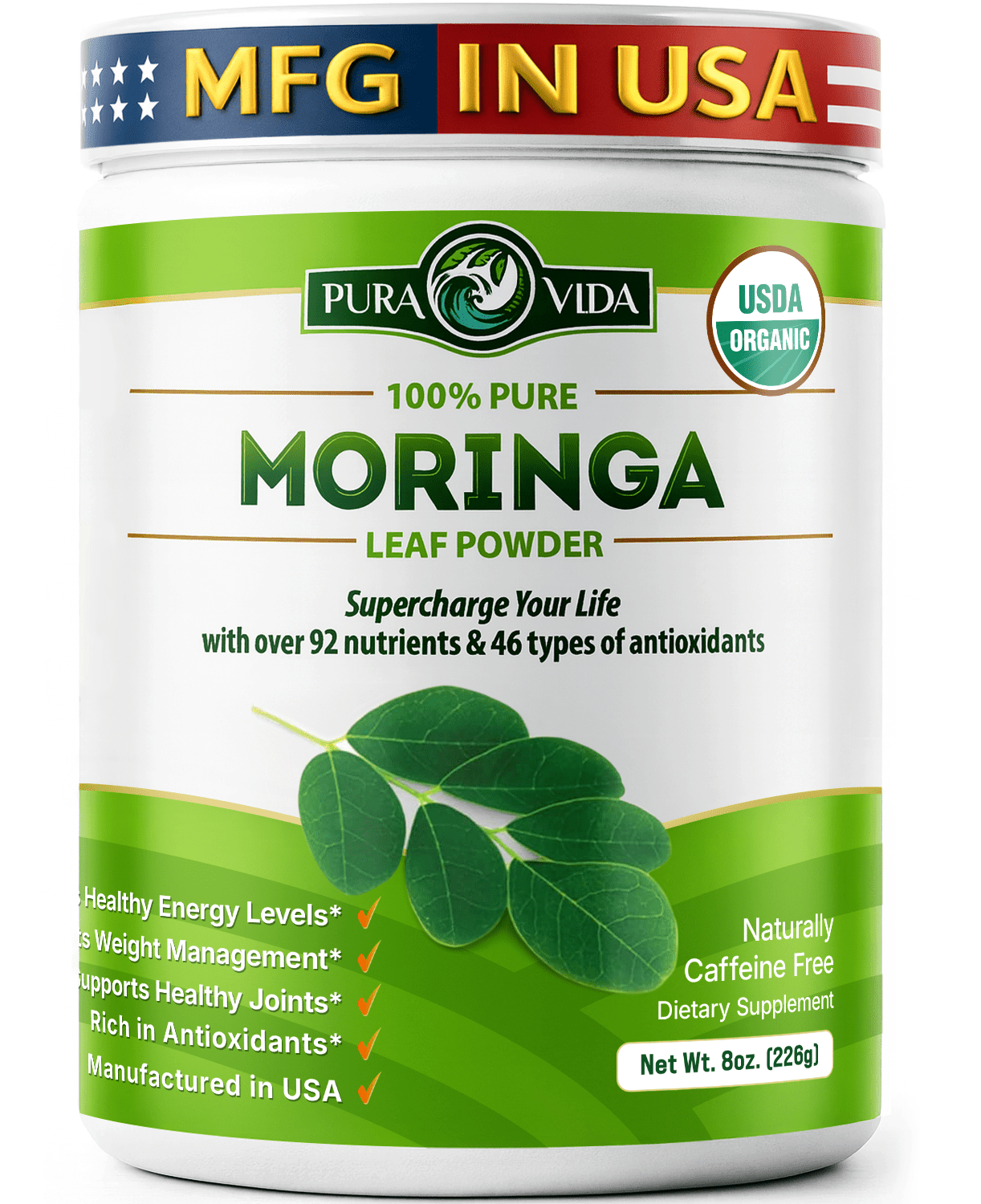
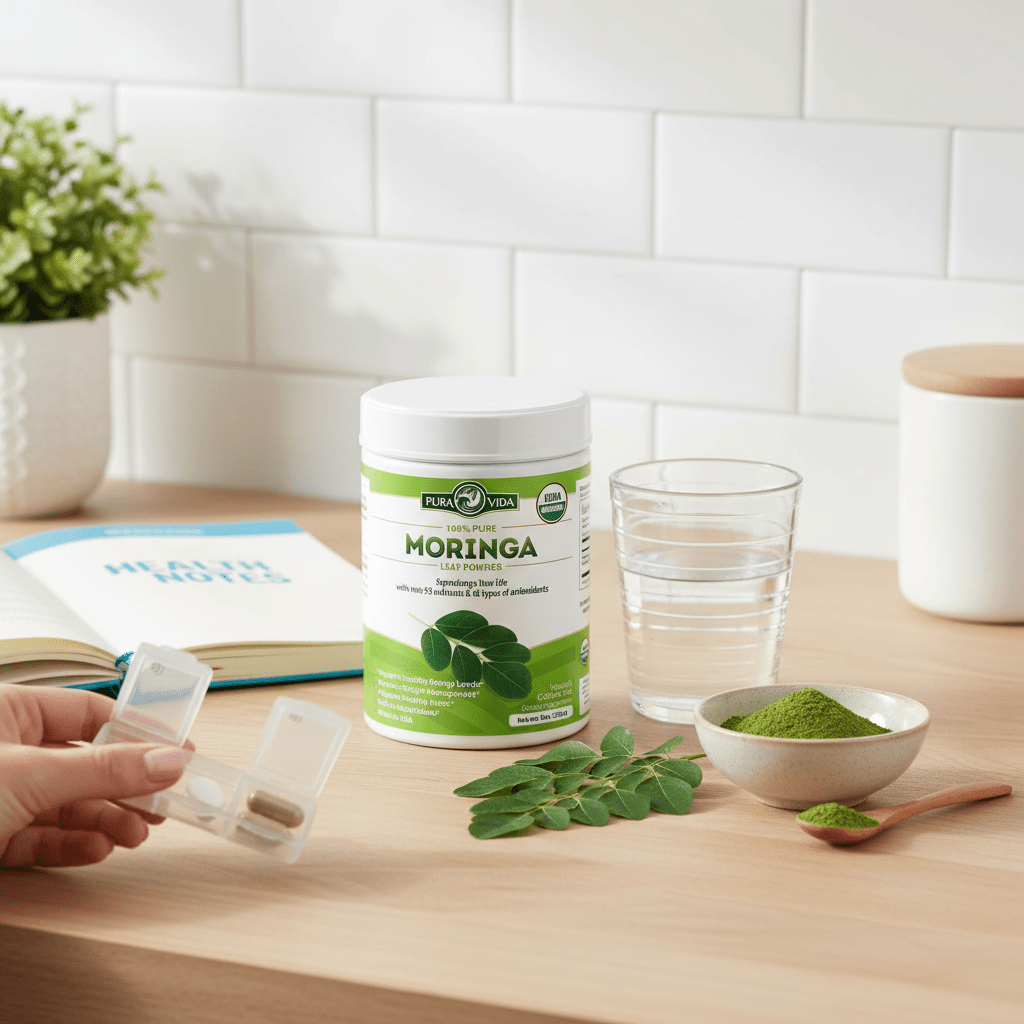
Moringa powder is a concentrated form of moringa leaves, containing vitamins (A, C, E), minerals (calcium, iron, potassium), antioxidants, and plant compounds. It’s available as powder, capsules, or extracts, and can be added to smoothies, foods, or taken as a supplement.
Potential Medication Interactions
1. Diabetes Medications
Moringa may lower blood sugar. If you take medications like insulin, metformin, or sulfonylureas, combining them with moringa may increase the risk of hypoglycemia (low blood sugar). Monitor your blood sugar and consult your doctor before using moringa.
2. Thyroid Medications
Moringa could interfere with thyroid hormones or reduce absorption of levothyroxine (Synthroid). If you take thyroid medication, check with your healthcare provider before adding moringa to your diet.
3. Liver-Metabolized Drugs (CYP450 Enzymes)
Moringa contains compounds that may affect liver enzymes (especially CYP3A4 and CYP1A2), potentially altering how your body processes certain drugs. This may impact:
- Statins (cholesterol drugs)
- Benzodiazepines (anxiety drugs)
- HIV medications
- Antidepressants
4. Other Interactions
- May affect drugs moved by cell pumps (P-glycoprotein substrates).
- May decrease effectiveness of amodiaquine (antimalarial).
Who Should Use Caution?
- People with diabetes or on blood sugar medication
- Those taking thyroid medication
- Anyone on chronic, liver-metabolized drugs
- Pregnant or breastfeeding women
- Children (long-term safety unknown)
Best Practices for Safe Use
- Consult your doctor or pharmacist before starting moringa, especially if you take medication.
- Start with a low dose and monitor for side effects.
- Space out moringa and medication doses by 2-4 hours to minimize absorption issues.
- Monitor lab results if at risk (blood sugar, thyroid levels, etc.).
- Report any unusual symptoms to your healthcare provider.
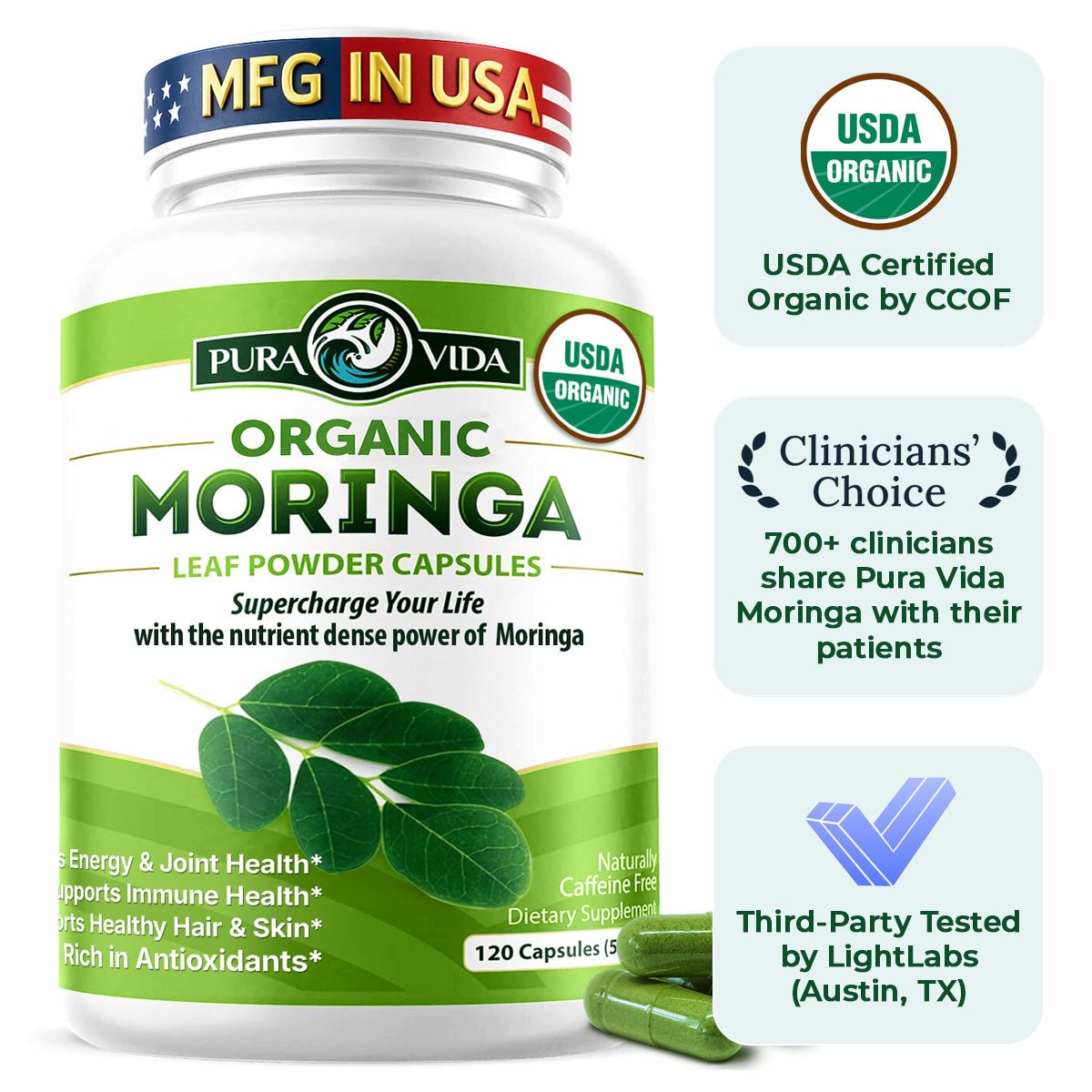
- Choose certified, high-quality moringa products.
Frequently Asked Questions
Q: Is it safe to take moringa with my diabetes medication? A: It may increase risk of low blood sugar. Always consult your doctor.
Q: Will moringa interfere with thyroid medication? A: It may reduce absorption or affect hormone balance. Consult your endocrinologist.
Q: What about other medications? A: Moringa may affect liver enzyme activity, altering drug levels. Ask your pharmacist or doctor for guidance.
References
- WebMD: Moringa – Uses, Side Effects, Interactions
- Drugs.com: Moringa Uses, Benefits & Dosage
- Medical News Today: Moringa – Benefits, Side Effects, and Risks
Conclusion
Moringa powder offers many health benefits, but can interact with diabetes, thyroid, and other medications. Always consult your healthcare provider before starting moringa, especially if you’re on prescription drugs. Use high-quality products and monitor for any changes in your health.
Disclaimer
This content is for informational purposes and is not medical advice. Always consult your healthcare provider before starting new supplements, especially if you have a medical condition or take medication.