Do Moringa Supplements Survive Stomach Acid?
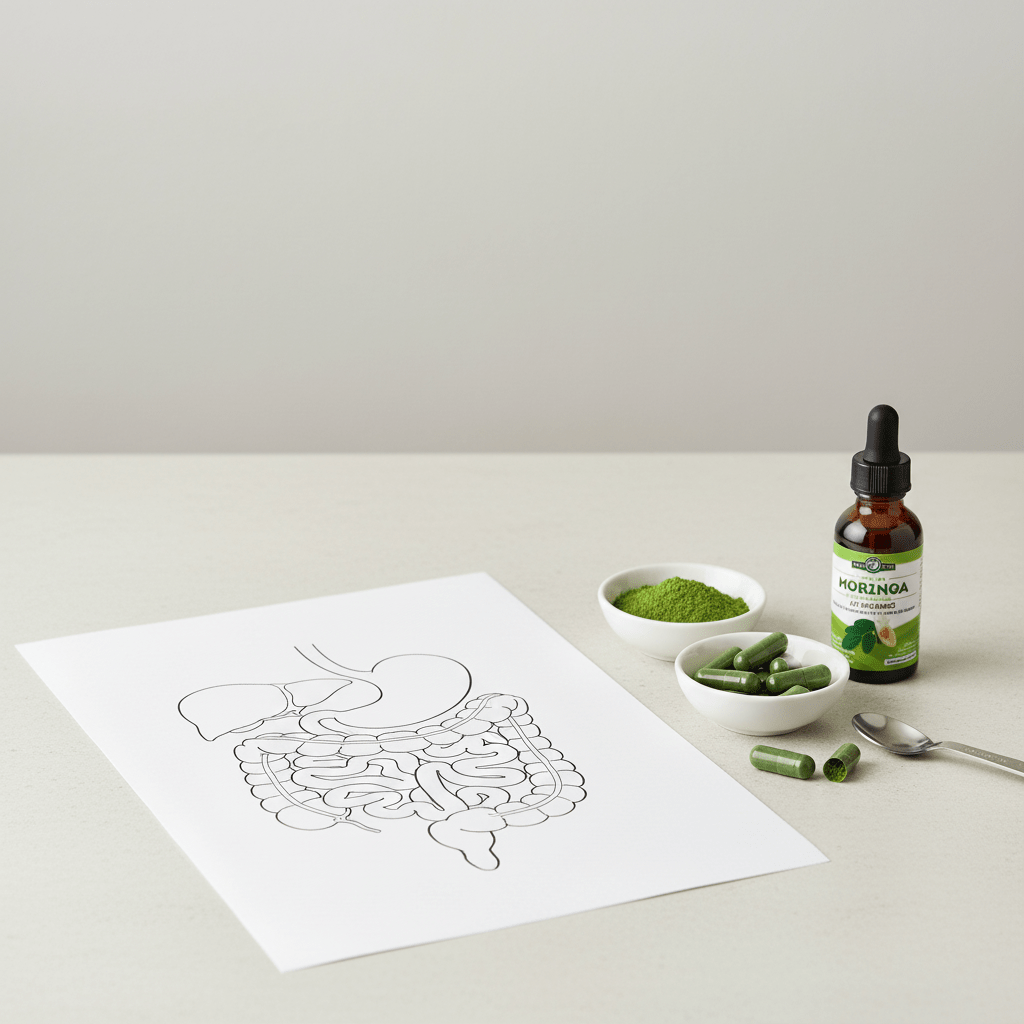
Moringa supplements are designed to deliver bioactive compounds that can survive stomach acid and reach the intestines, where absorption occurs. Most moringa powders, capsules, and extracts withstand gastric acid, though some nutrient loss is possible.
Table of Contents
- What Is Stomach Acid and Why Does It Matter?
- How Do Moringa Supplements Survive Stomach Acid?
- What Evidence Supports Moringa's Survival in the Gut?
- Types of Moringa Supplements and Acid Resistance
- When Should You Use Moringa Supplements?
- How Moringa Supplements Work in Digestion
- Frequently Asked Questions
- Conclusion
What Is Stomach Acid and Why Does It Matter?
Stomach acid (primarily hydrochloric acid, pH 1.5–3.5) breaks down food and can degrade some nutrients. Supplements must survive this acidic environment to be absorbed and effective. According to Medical News Today, understanding how moringa interacts with gastric acid is key to maximizing its health benefits.
How Do Moringa Supplements Survive Stomach Acid?
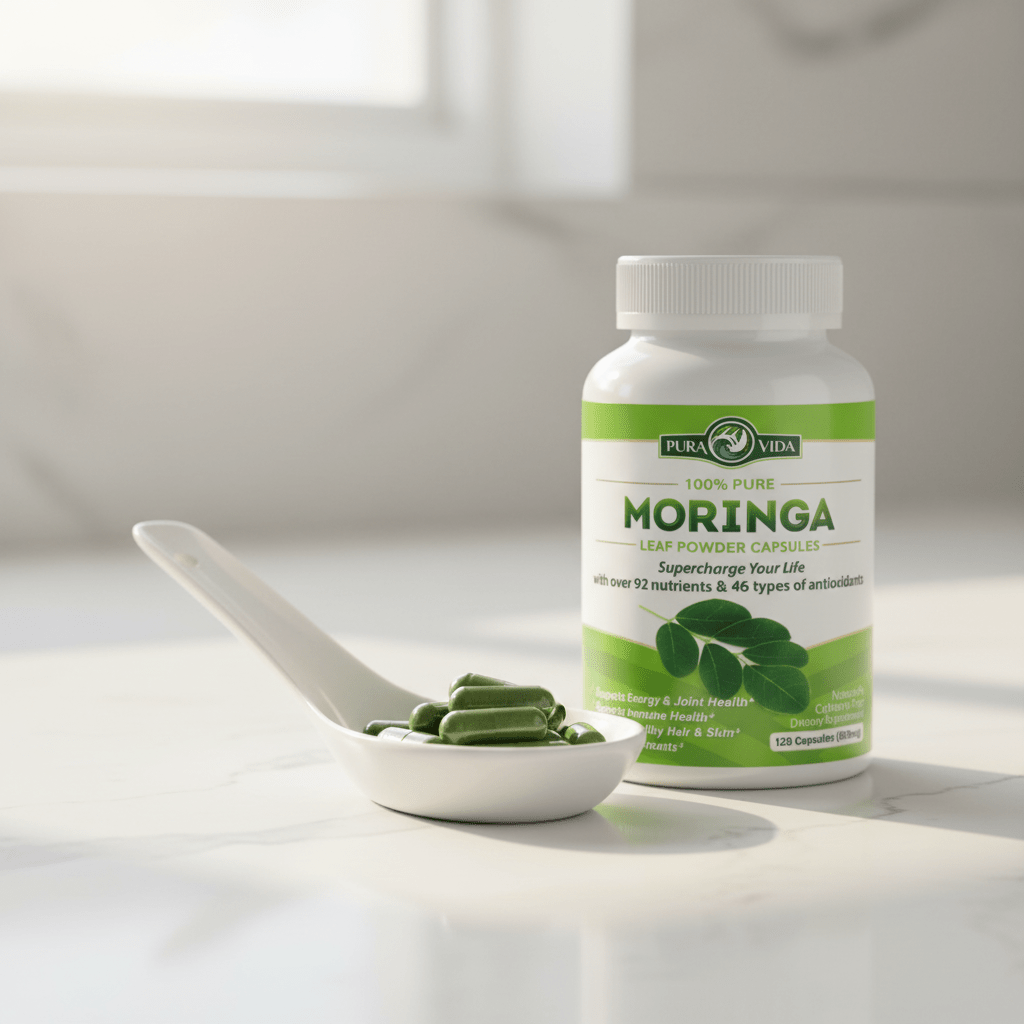
- Capsules and tablets: Often use protective coatings or encapsulation to resist acid, releasing moringa compounds in the intestine.
- Powder and extracts: While exposed to acid, many bioactive components like flavonoids and polyphenols are acid-resistant.
- Bioactive compounds: Moringa's antioxidants (quercetin, chlorogenic acid), vitamins, and minerals are relatively stable, though vitamin C can degrade in acid.
[IMAGE: Diagram showing the journey of moringa supplement from ingestion through stomach acid to intestinal absorption — labeled stages: Ingestion, Acid Exposure, Intestinal Release.]
What Evidence Supports Moringa's Survival in the Gut?
- Animal studies show moringa leaf extract protects the stomach lining and resists acid-induced damage (see NIH — PMC5834558).
- Human testimonials indicate digestive benefits, suggesting active compounds survive gastric conditions (see MoringaPowder.com digestion guide).
- Preclinical research shows moringa reduces stomach acid and soothes irritation, supporting compound stability.
Types of Moringa Supplements and Acid Resistance
| Supplement Type | Acid Resistance | Bioavailability | Notes |
|---|---|---|---|
| Capsules/Tablets | High | Good | Protective coatings |
| Powder | Medium | Good | Some nutrient loss possible |
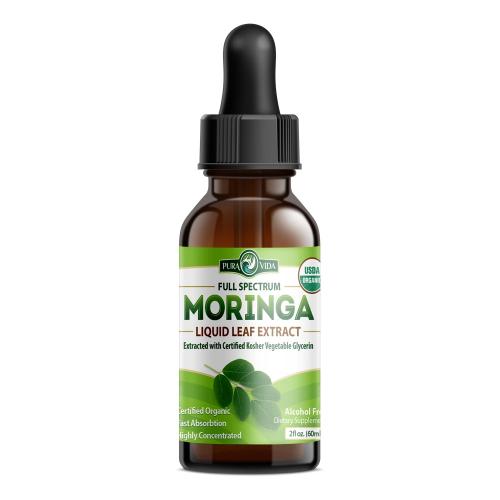
| Liquid Extract | Medium-High | Fast | Rapid absorption |
When Should You Use Moringa Supplements?
- If seeking digestive support, antioxidant benefits, or nutritional boosts.
- For best absorption, take moringa supplements with water or meals.
- Individuals with sensitive stomachs may prefer capsules.
Explore The Best Way to Start Taking Moringa Powder for practical dosage and timing tips.
How Moringa Supplements Work in Digestion
- Ingestion: Supplement enters the stomach.
- Acid Exposure: Protective coatings or acid-resistant compounds limit degradation.
- Intestinal Release: Bioactive nutrients are absorbed in the gut.
[IMAGE: Infographic of 3-step process: (1) Ingest, (2) Survive acid, (3) Absorb nutrients.]
Frequently Asked Questions
Q: Do moringa supplements survive stomach acid? A: Yes, most moringa supplements are formulated or naturally stable enough to survive stomach acid and release nutrients in the intestines.
Q: Does stomach acid affect moringa's benefits? A: Some nutrients like vitamin C may be reduced, but key antioxidants and minerals remain stable and effective after acid exposure.
Q: Is powder or capsule better for acid resistance? A: Capsules often provide more protection against stomach acid thanks to encapsulation; powder is still effective but may see minor nutrient loss.
Q: How long until moringa is absorbed after ingestion? A: Moringa nutrients typically reach the intestines within 1–2 hours after ingestion, depending on supplement form and digestive transit.
Q: Can moringa help with stomach issues? A: Studies suggest moringa may reduce stomach acid, soothe irritation, and protect the gastric lining, supporting gut health.
Q: Are there side effects if moringa doesn't survive stomach acid? A: Acid-sensitive nutrients may degrade, but this does not cause harm; it may simply reduce supplement effectiveness.
Q: Should I take moringa on an empty stomach? A: Moringa can be taken on an empty stomach or with food; some users prefer morning use for digestive benefits.
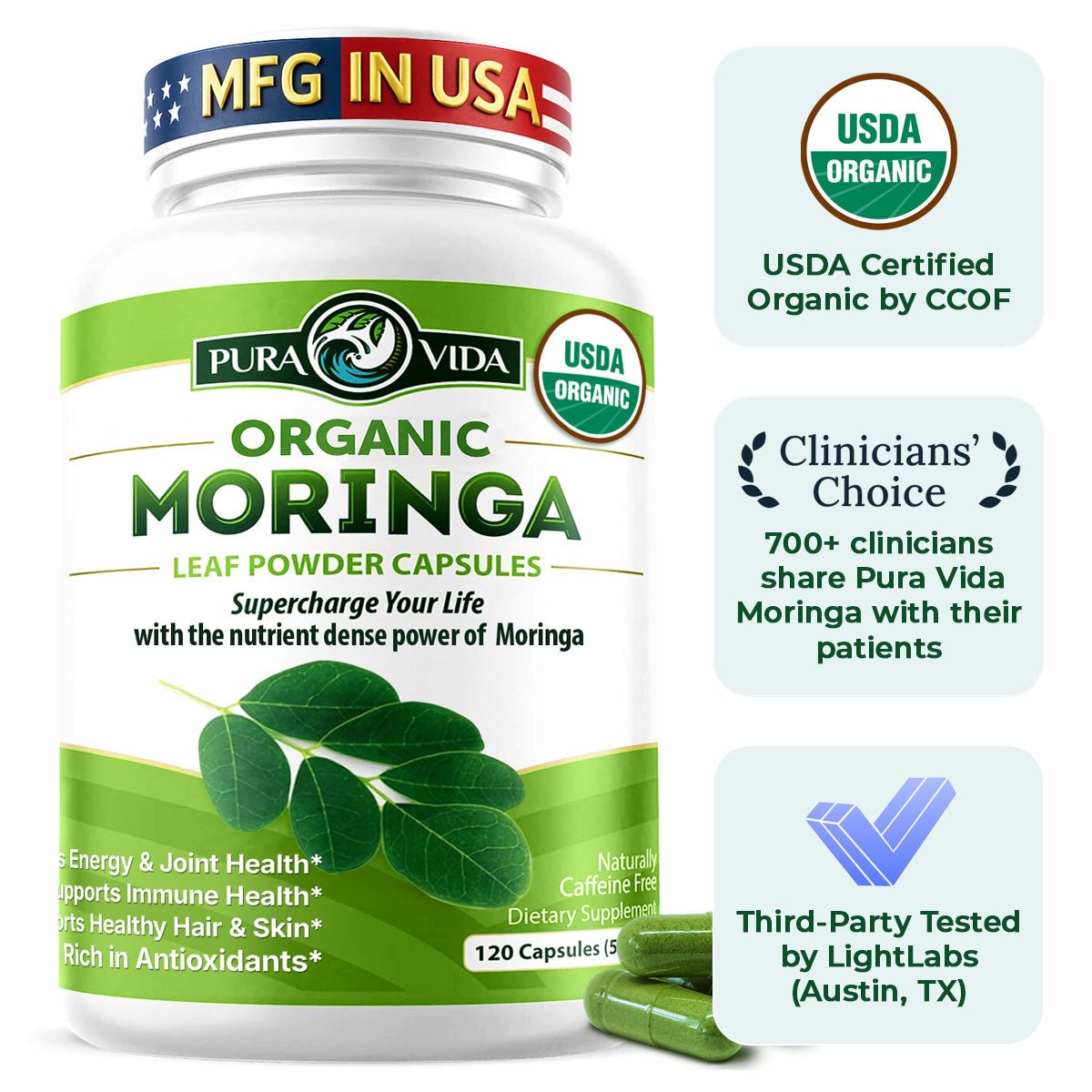
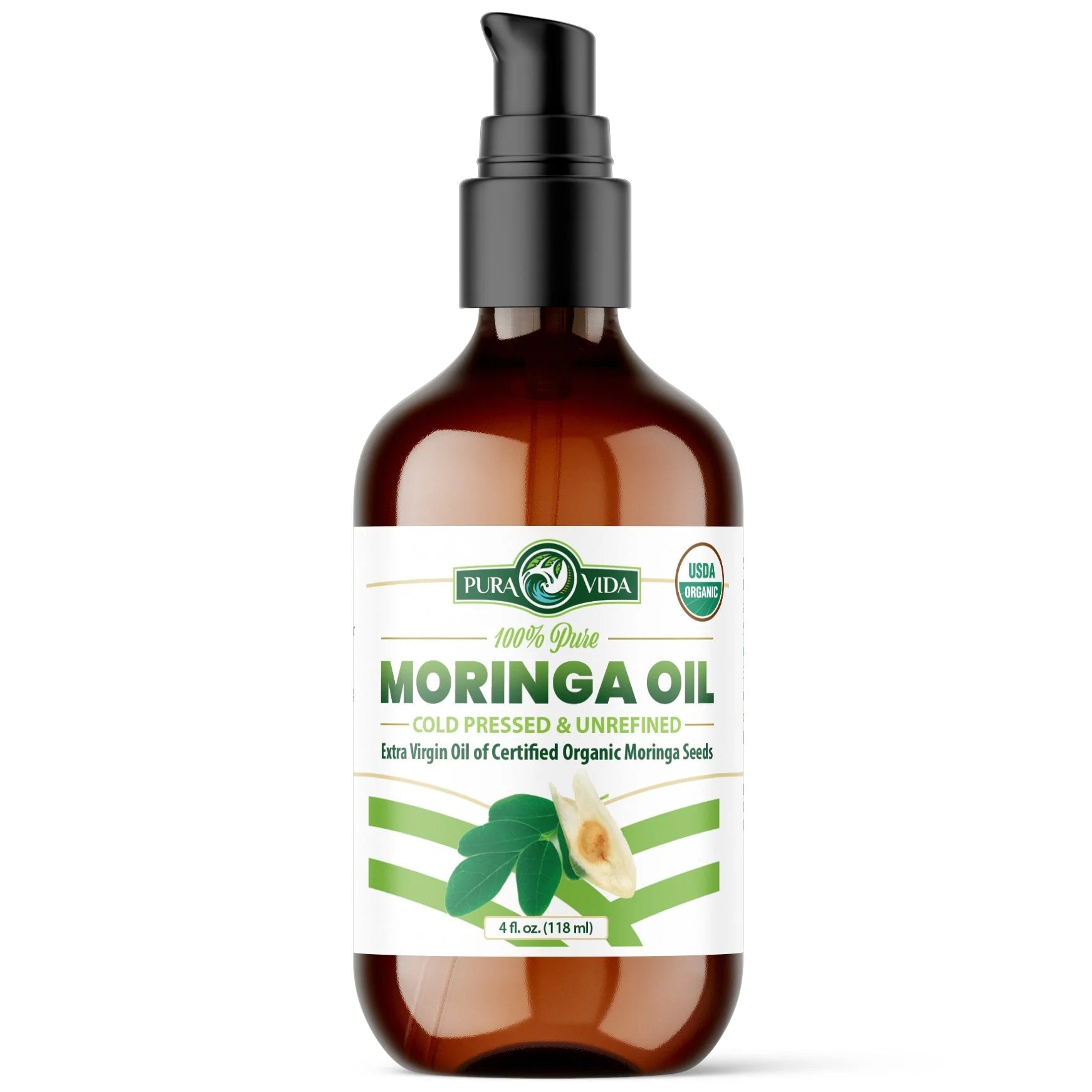
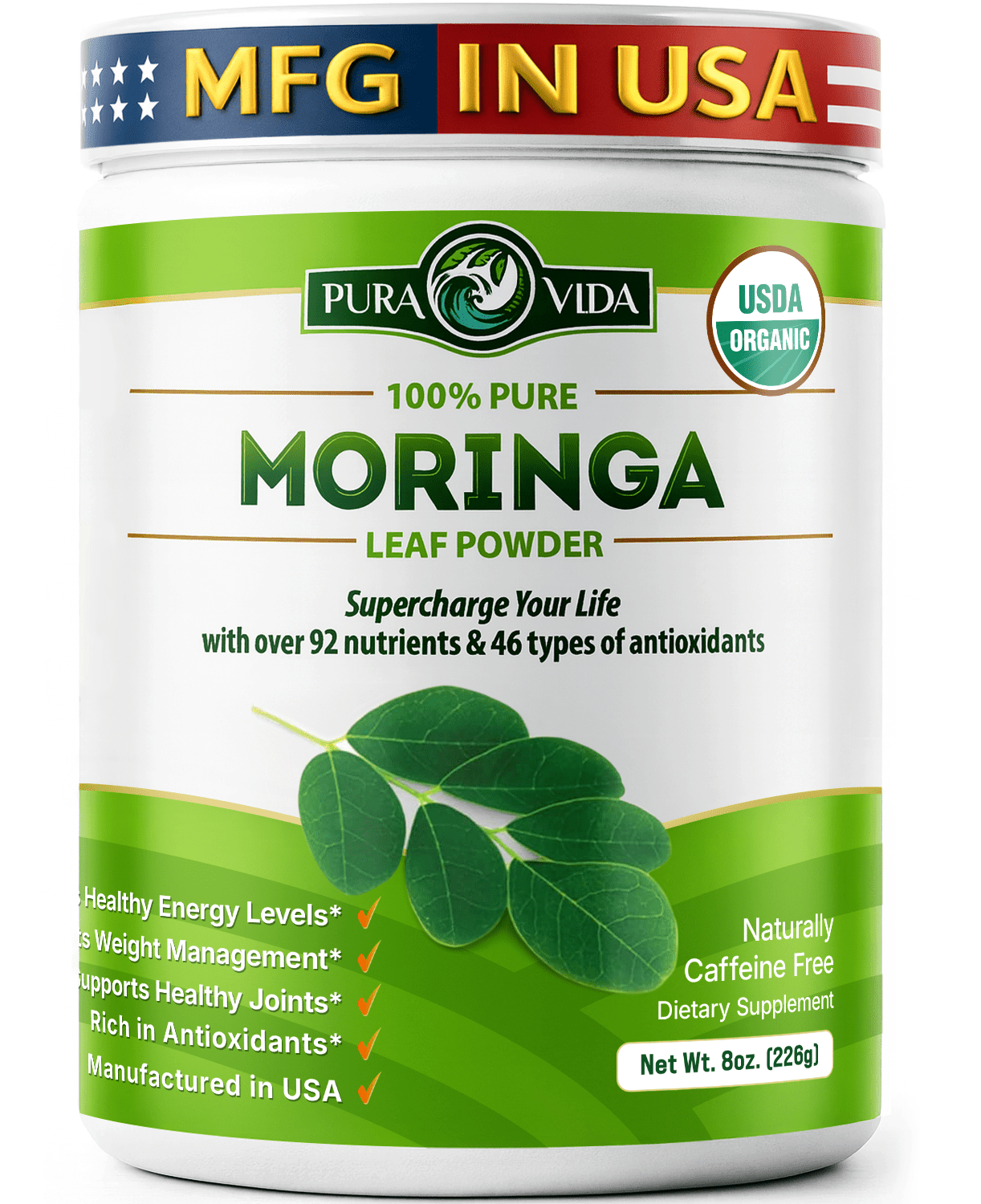
Q: How do I choose the most effective moringa supplement? A: Look for certified organic, lab-tested capsules or extracts for optimal protection and bioavailability. Shop Pura Vida Moringa for the highest quality options.
Conclusion: Trust Moringa to Work With Your Body
Most moringa supplements — especially certified organic capsules and extracts — are well-equipped to survive stomach acid and deliver their full nutritional benefits where it counts: in your intestines. For the best results, choose lab-tested, quality-certified products like those from Pura Vida Moringa. For more science-backed moringa guides, visit MoringaPowder.com/benefits.
References & Further Reading
- NIH — PMC5834558: Moringa and Gastric Protection
- Medical News Today: Moringa Benefits & Digestion
- MoringaPowder.com: How Does Moringa Powder Affect Digestion?
- MoringaPowder.com: The Best Way to Start Taking Moringa Powder
- Healthline: 6 Science-Based Health Benefits of Moringa
- Shop Certified Organic Moringa Supplements — Pura Vida Moringa
Disclaimer
This content is for informational purposes only and is not medical advice. Always consult your healthcare provider before starting new supplements, especially if you have a medical condition or take medication.