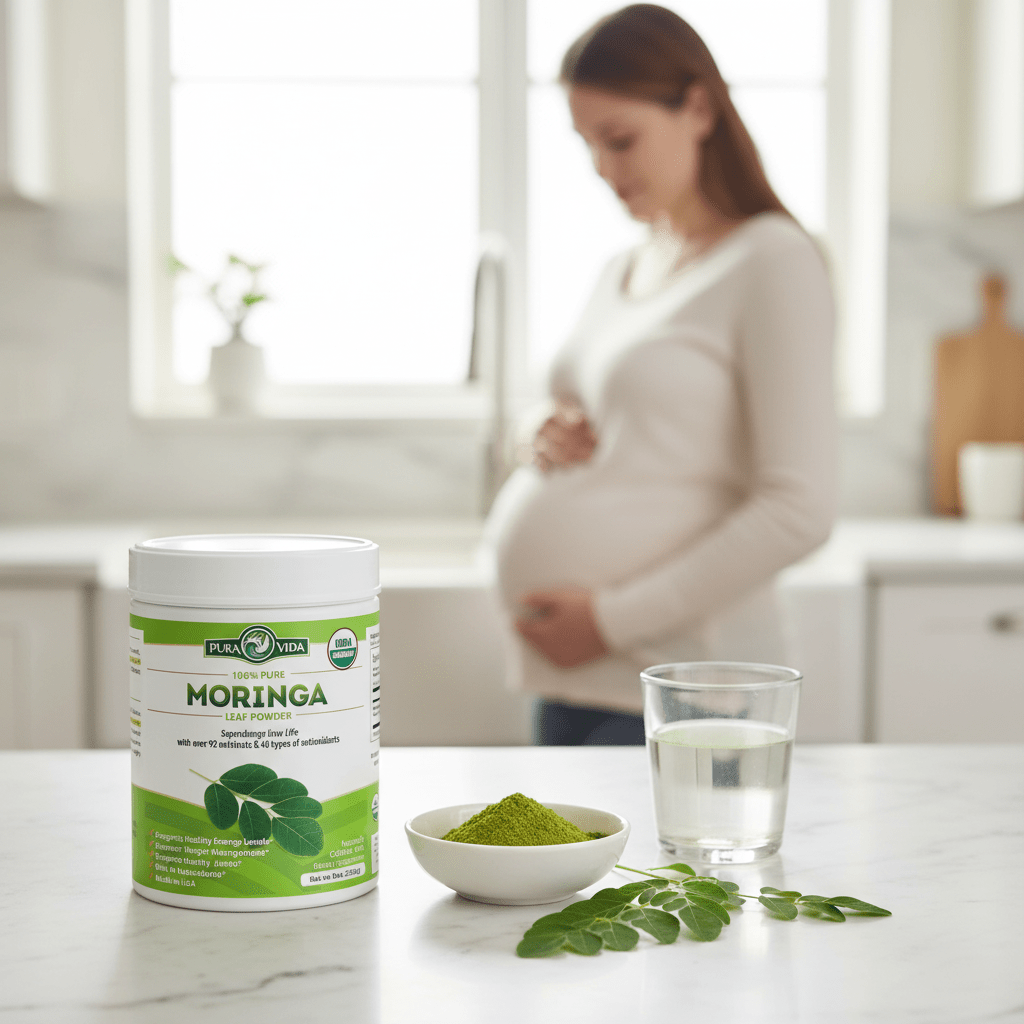
Is Moringa Powder Safe During Pregnancy or Breastfeeding?
Moringa oleifera is celebrated for its nutritional value, but questions exist about its safety for pregnant and breastfeeding women. This page summarizes the latest research, offers practical advice, and highlights both benefits and precautions for using moringa powder during these vital stages.
Table of Contents
- Nutritional Overview
- Scientific Evidence on Safety
- Benefits During Pregnancy
- Benefits During Breastfeeding
- Potential Risks & Precautions
- Dosage & Usage
- Testimonials
- Frequently Asked Questions
- References
- Conclusion
- Quick Links
Nutritional Overview
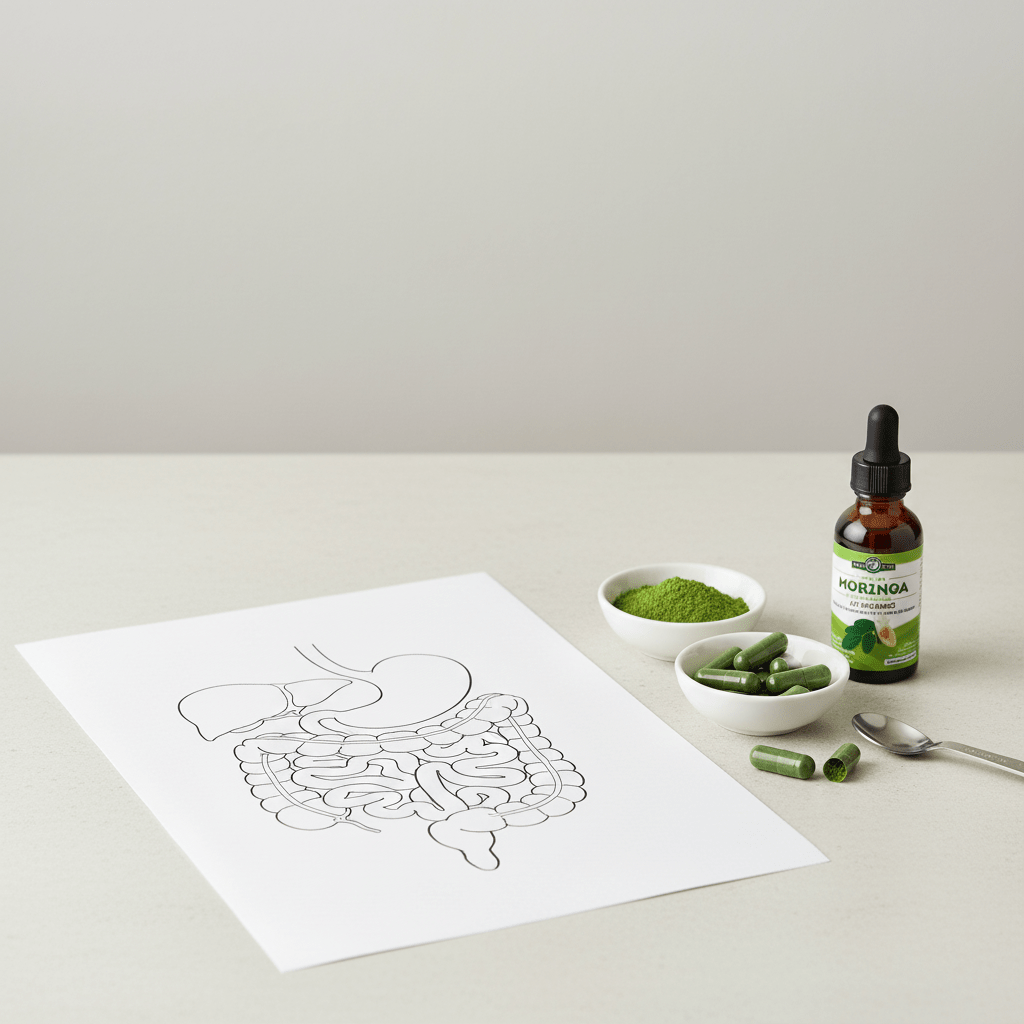
Moringa powder is rich in protein, iron, calcium, vitamins A and C, and antioxidants. These nutrients are important for maternal and infant health.
| Nutrient | Benefit |
|---|---|
| Iron | Prevents anemia |
| Calcium | Supports bone health |
| Vitamin A | Immune and eye health |
| Vitamin C | Antioxidant, immunity |
| Protein | Growth, repair |
| Antioxidants | Reduces oxidative stress |
Scientific Evidence on Safety
- Moringa leaves: Generally considered safe when consumed as food or powder during pregnancy and breastfeeding, especially after the first trimester.
- Root, bark, flowers: These parts may trigger uterine contractions or toxicity—avoid during pregnancy/breastfeeding.
- Lactation: Studies and traditional use suggest moringa may boost breast milk production, with no reported harm to mothers or infants.
- Consult your doctor before starting any supplement.
Benefits During Pregnancy
- Supports iron and calcium intake, reducing risk of anemia and supporting fetal bone development.
- May improve hemoglobin more effectively than standard supplements (some studies).
- High fiber aids digestion and relieves constipation.
Benefits During Breastfeeding
- May increase breast milk supply (galactagogue).
- Essential nutrients can pass to baby via breast milk, supporting growth and immunity.
Potential Risks & Precautions
- Avoid non-leaf moringa products (root/bark/flowers) due to possible uterine effects.
- Rarely, digestive upset or allergic reaction may occur.
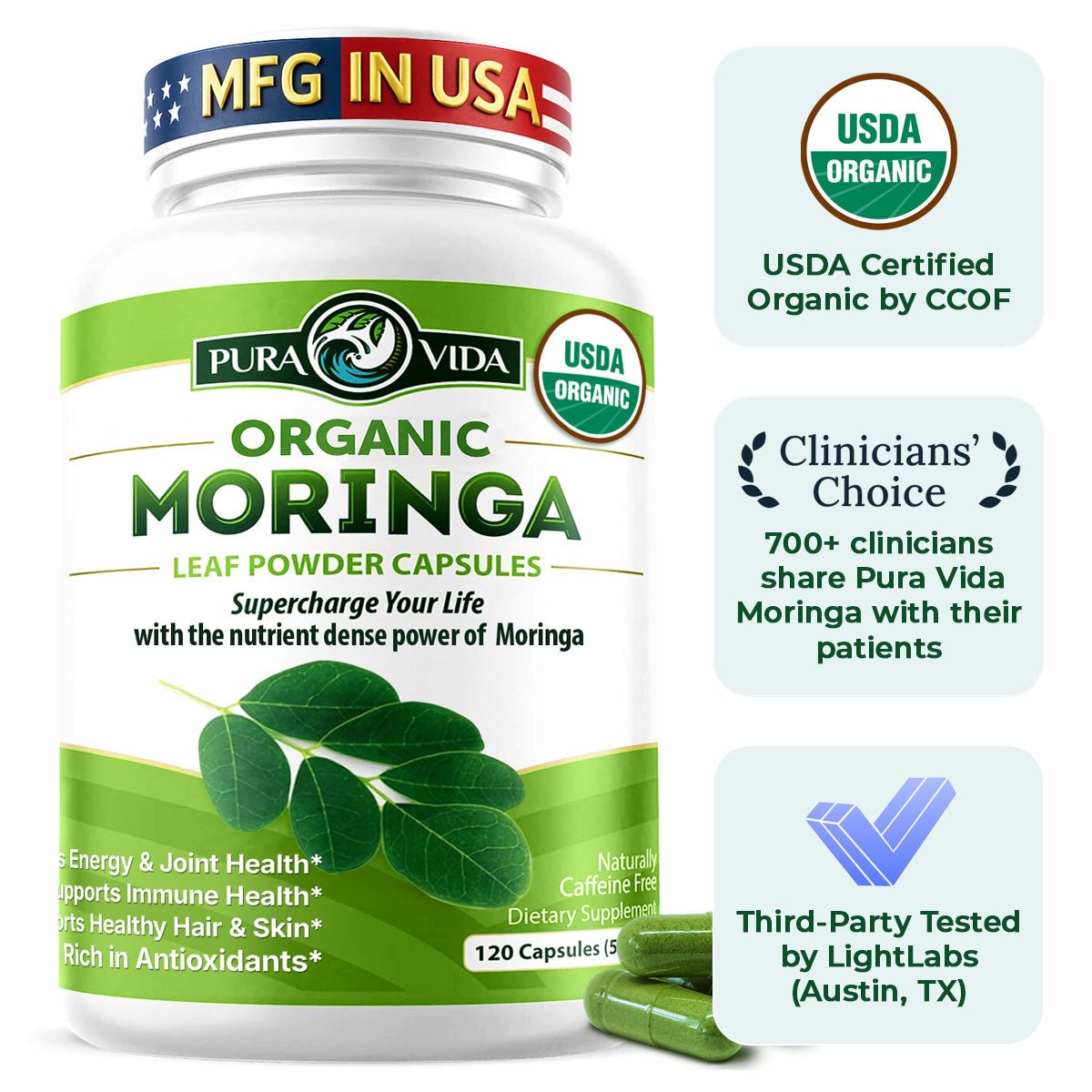
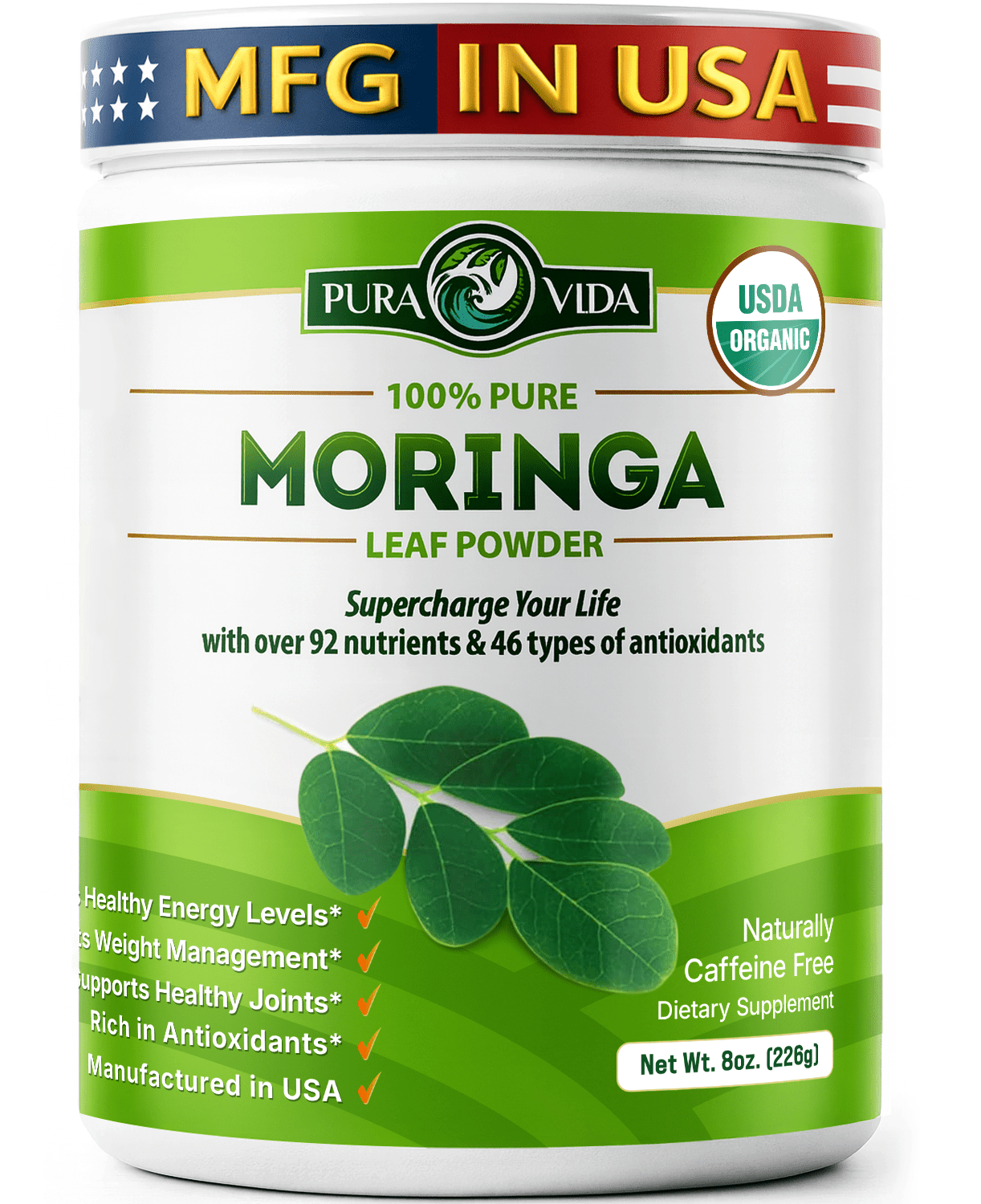
- Choose certified organic leaf powder from reputable sources.
- Always check with a healthcare provider before use.
Dosage & Usage
- Typical dose: 1 teaspoon (about 3g) daily, mixed into food or drink.
- Start with a lower dose and increase gradually.
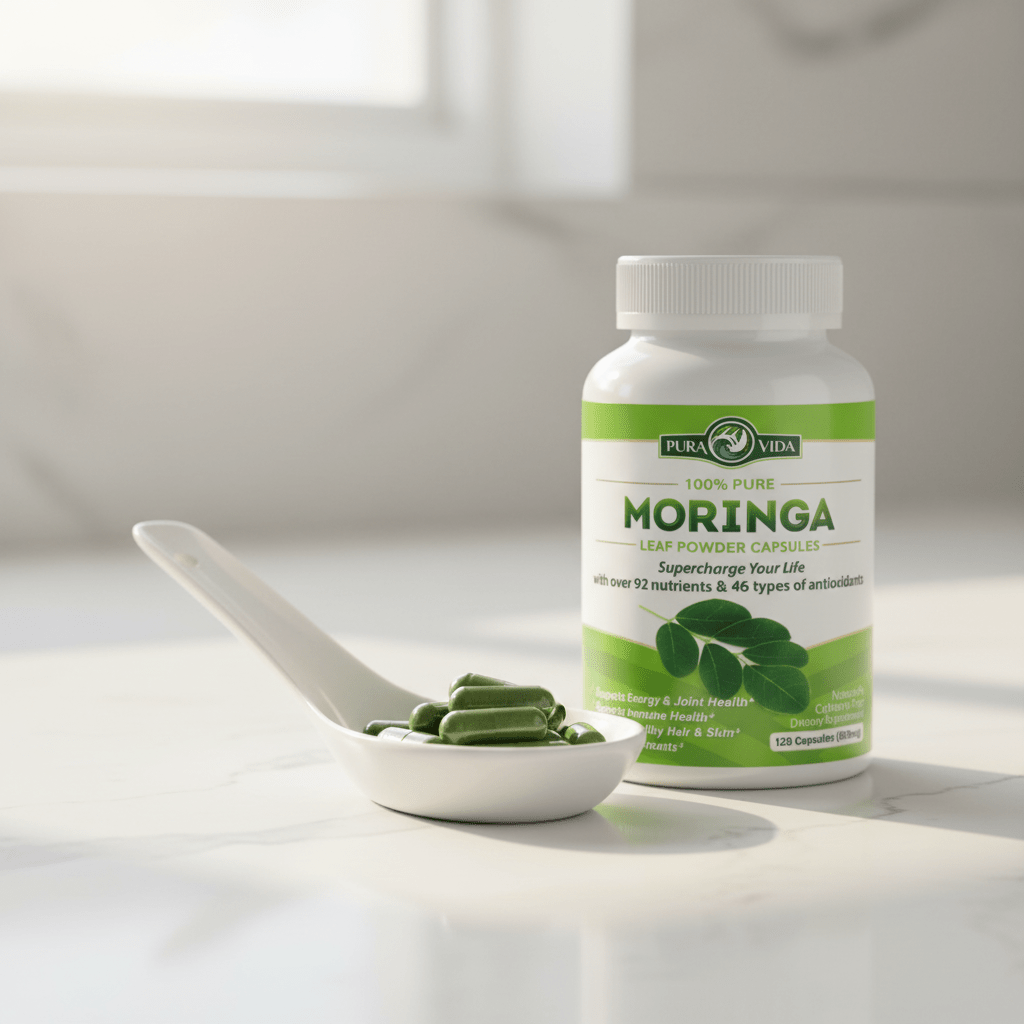
- Capsules: 500-1000mg per day.
- Follow product instructions and medical advice.
Testimonials
"Adding moringa to my smoothies during pregnancy gave me more energy and helped with my iron levels."
"As a breastfeeding mom, I noticed a boost in milk supply after taking moringa leaf powder."
(Testimonials reflect personal experiences; results vary.)
Frequently Asked Questions
- Is moringa powder safe in the first trimester? Research is limited; consult your doctor.
- Can moringa help with milk production? Yes, clinical studies and tradition support this.
- Is moringa root or bark safe? No—avoid during pregnancy/breastfeeding.
- What’s the best way to take moringa? Powder in smoothies/soups, or capsules.
References
- NIH LactMed Database: https://www.ncbi.nlm.nih.gov/books/NBK501899/
- WebMD: https://www.webmd.com/vitamins/ai/ingredientmono-1242/moringa
- Moringa Vinga: https://moringavinga.com/blogs/health-wellness/taking-moringa-during-and-after-pregnancy
Conclusion
Moringa leaf powder is generally safe and beneficial for pregnancy and breastfeeding when sourced organically, used in moderation, and approved by a healthcare provider. Avoid non-leaf products. Stay informed and choose certified quality.
Quick Links
Disclaimer
This content is for informational purposes and is not medical advice. Always consult your healthcare provider before starting new supplements, especially if you have a medical condition or take medication.