Signs Your Moringa Product Is Low Quality or Fake
Signs your moringa product is low quality or fake include dull or brownish color, gritty or clumpy texture, lack of sourcing details, and unusual or bland taste. Authentic moringa should be vibrant green, finely powdered, and have a fresh, earthy aroma and taste. According to Medical News Today, the quality of moringa significantly affects its nutritional potency and safety.
Table of Contents
- Quick Overview Table: High-Quality vs. Low-Quality Moringa
- What is Low-Quality or Fake Moringa?
- How to Identify Low-Quality or Fake Moringa
- Red Flags to Watch Out For
- When Should You Avoid or Replace Your Moringa?
- What Are Common Fillers or Contaminants?
- Comparison: High-Quality vs. Low-Quality Moringa
- Frequently Asked Questions
- Conclusion
Quick Overview Table: High-Quality vs. Low-Quality Moringa
| Feature | High-Quality Moringa | Low-Quality/Fake Moringa |
|---|---|---|
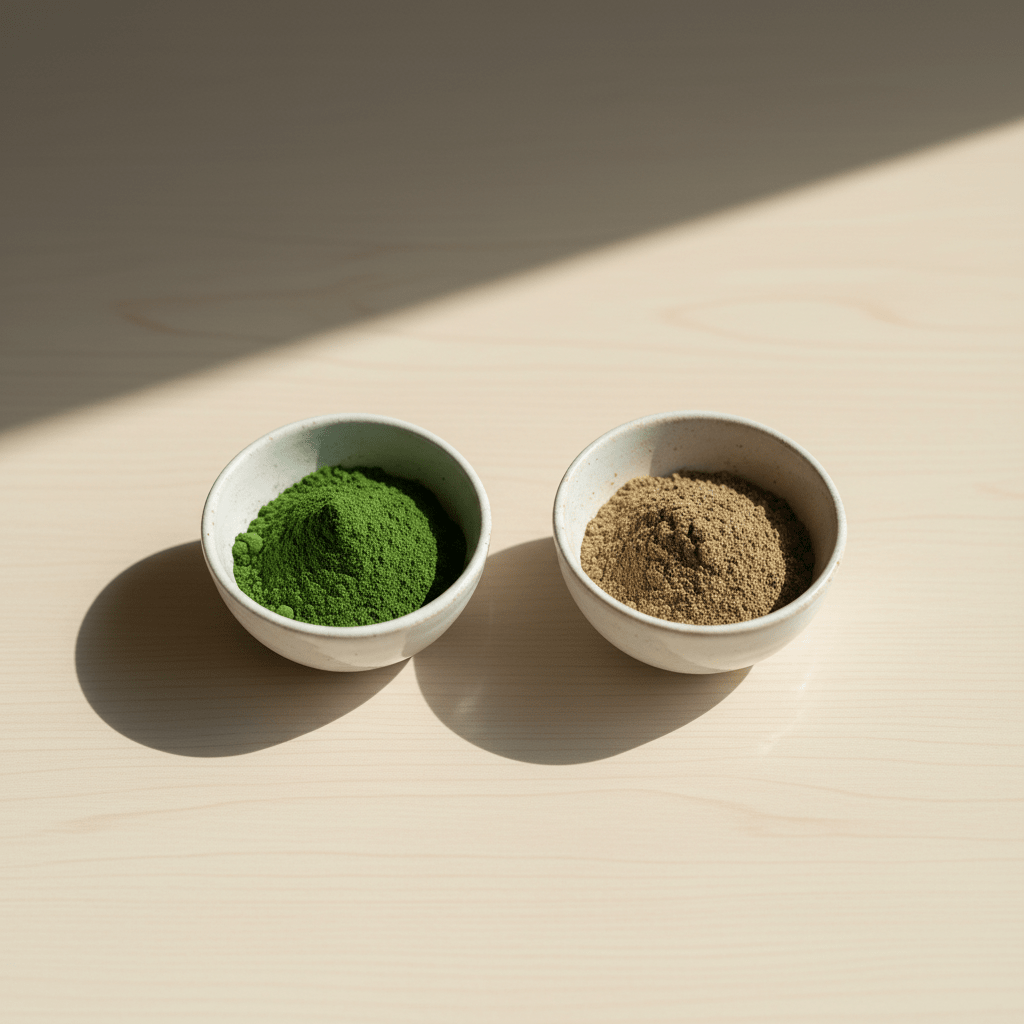
| Color | Deep, vibrant green | Dull, brown, yellow, or uneven |
| Texture | Fine, smooth | Clumpy, gritty, or sandy |
| Aroma | Fresh, earthy, grassy | Musty, stale, chemical |
| Taste | Mildly bitter, vegetal | Bland, overly bitter, or sweet |
| Label Info | Full sourcing, certifications | Vague or missing details |
| Packaging | Airtight, opaque | Loose, clear, or non-sealed |
What is Low-Quality or Fake Moringa?
Low-quality moringa products are those that have lost nutritional value, contain fillers, or are contaminated. Fake moringa refers to products adulterated with other substances or incorrectly labeled as pure moringa.
How to Identify Low-Quality or Fake Moringa?
Visual Clues
- Color: Pure moringa is a vibrant, deep green. Dull, yellowish, or brown hues suggest poor quality, old leaves, or improper drying. Healthline notes that color is one of the most reliable indicators of moringa freshness and quality.
- Uniformity: Color and consistency should be even throughout the powder or capsules.
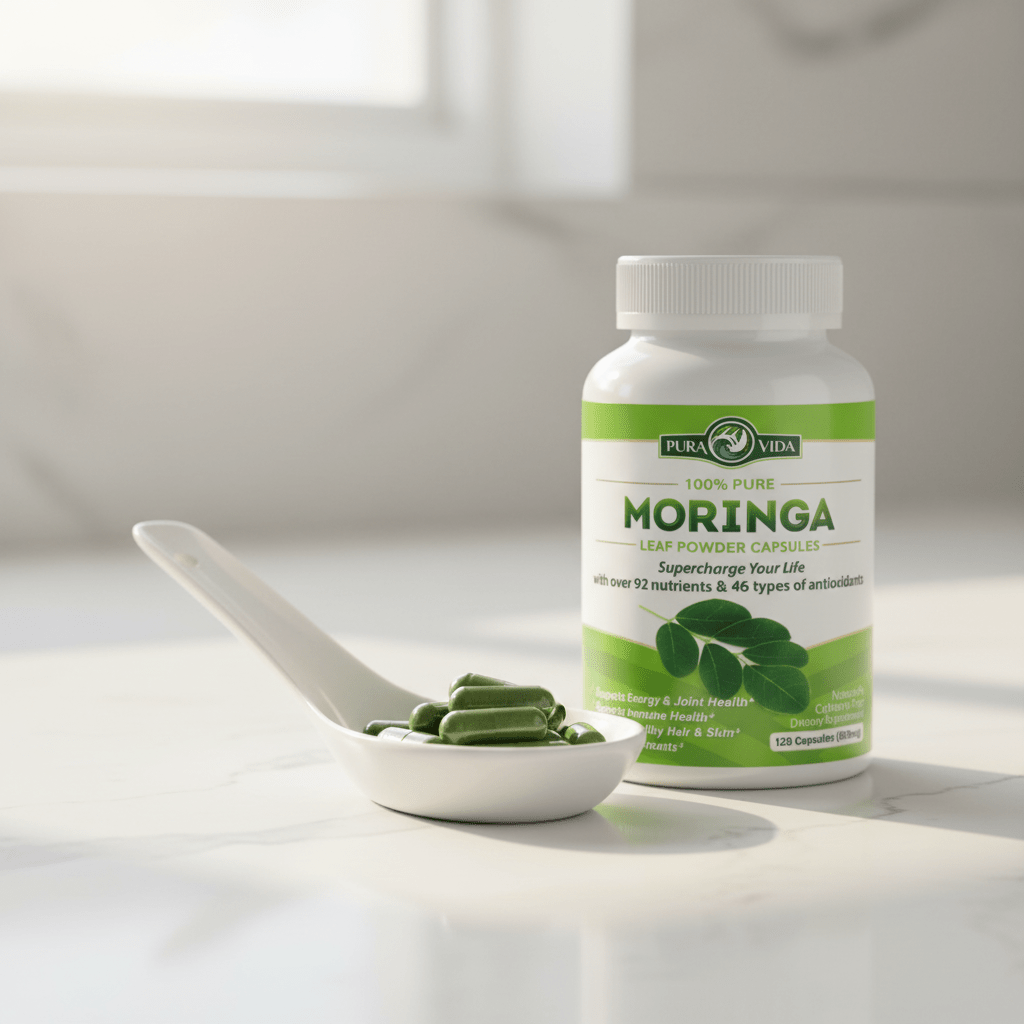
- Packaging: Quality moringa is packaged in airtight, opaque containers to protect nutrients.
Texture and Solubility
- Texture: High-quality moringa is finely ground and silky. Gritty, sandy, or clumpy powder may indicate poor processing, contamination, or moisture exposure.
- Solubility Test: When stirred in water, quality moringa disperses evenly with minimal residue. Clumps or sediment suggest fillers or poor quality.
Aroma and Taste
- Aroma: Should smell fresh, earthy, and slightly spicy. Musty, stale, or chemical odors signal old or impure product.
- Taste: Mildly bitter, earthy, and grassy is expected. If the taste is bland, overly bitter, or sweet, the product may contain fillers or masking agents. As WebMD explains, adulterated herbal powders often use masking agents that alter the natural taste profile.
Label and Sourcing Transparency
- Ingredients List: Only moringa leaf or extract should be listed—avoid products with maltodextrin, rice flour, artificial flavors, or colors.
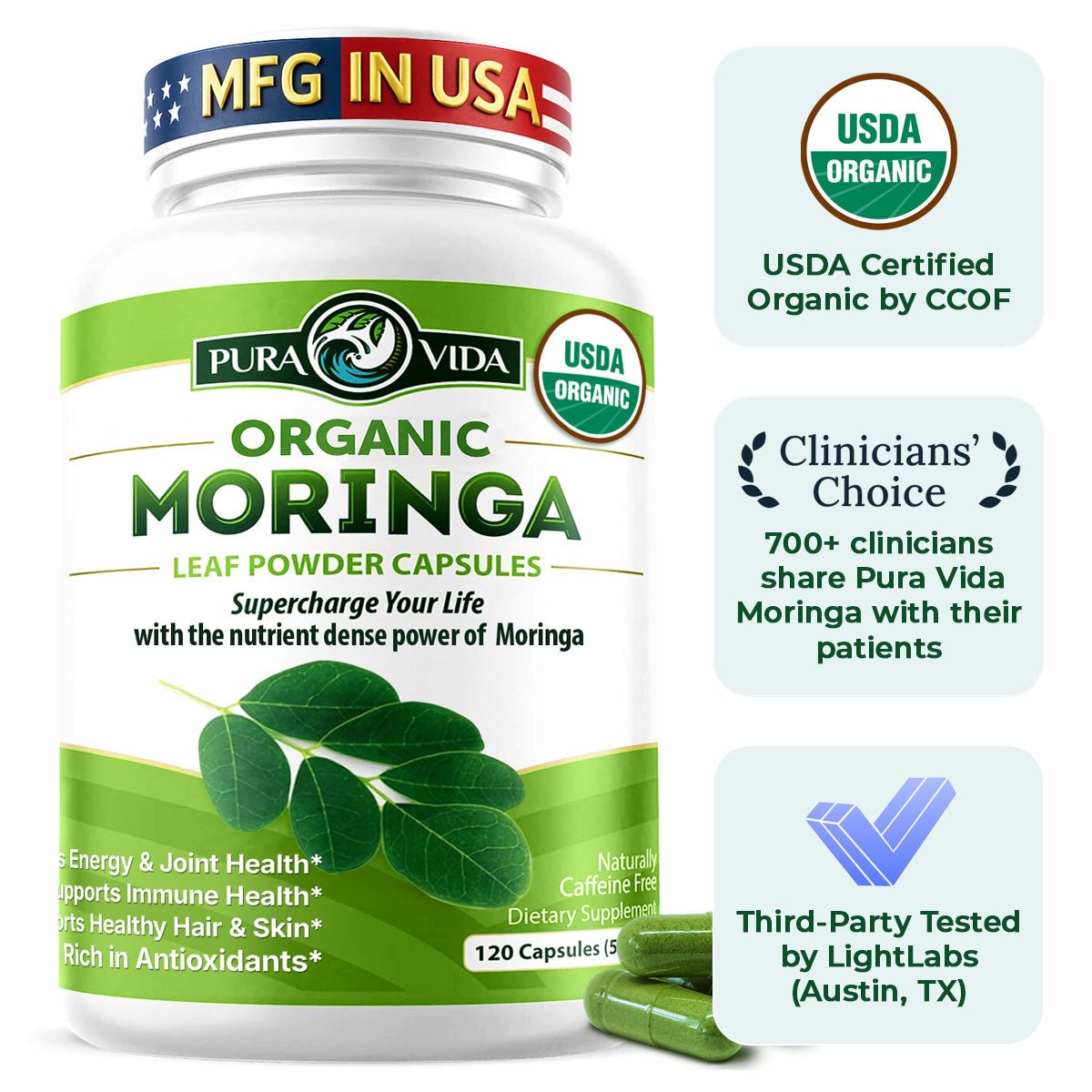
- Origin and Certification: Trusted brands clearly state the country of origin, farming practices, and have organic or third-party test certifications.
- Expiration and Batch Number: Genuine products provide these for traceability and freshness.
Red Flags to Watch Out For
| Red Flag | What It Means | What to Look for |
|---|---|---|
| Dull/Brown Color | Poor drying or old leaves | Vibrant green |
| Clumpy/Gritty Texture | Moisture, contamination, or fillers | Fine, smooth powder |
| No Origin Info | Lack of transparency | Country, farm, certification |
| Bland/Weird Taste | Fillers or adulteration | Earthy, mildly bitter |
| No Expiry/Batch | Potentially old or untraceable | Clearly marked dates |
When Should You Avoid or Replace Your Moringa?
- If your powder changes color, forms hard clumps, or develops an off smell, it's time to replace it.
- Avoid brands that cannot confirm sourcing, testing, or provide certification.
What Are Common Fillers or Contaminants?
- Maltodextrin, rice flour, silica, artificial colors/flavors are frequently used to dilute or bulk up fake moringa.
- Physical contaminants like sand, stems, or other plant materials are signs of poor quality.
- A PubMed study on Moringa oleifera highlights the importance of proper processing and purity testing to ensure herbal supplements are free from harmful adulterants and contaminants.
Comparison: High-Quality vs. Low-Quality Moringa
| Feature | High-Quality Moringa | Low-Quality/Fake Moringa |
|---|---|---|
| Color | Deep, vibrant green | Dull, brown, yellow, or uneven |
| Texture | Fine, smooth | Clumpy, gritty, or sandy |
| Aroma | Fresh, earthy, grassy | Musty, stale, chemical |
| Taste | Mildly bitter, vegetal | Bland, overly bitter, or sweet |
| Label Info | Full sourcing, certifications | Vague or missing details |
| Packaging | Airtight, opaque | Loose, clear, or non-sealed |
Frequently Asked Questions
Q: How can I tell if my moringa powder is fake? A: Fake moringa is usually dull in color, lacks earthy aroma, forms clumps, and has little taste. Check for clear sourcing and certifications on the label.
Q: Why does my moringa powder taste bland or strange? A: Bland or odd flavors often indicate dilution with fillers, old stock, or other plant materials. Genuine moringa tastes earthy and slightly bitter.
Q: Is it safe to use moringa powder with hard clumps? A: No. Hard clumps suggest moisture exposure and possible mold or bacterial contamination. Discard the product if you find clumps.
Q: What should I look for on the product label? A: Look for "100% moringa leaf," country of origin, organic or third-party certifications, and a clear expiration date.
Q: Can the packaging affect moringa quality? A: Yes. Airtight, opaque packaging protects moringa from light and moisture, preserving its nutrients and color.
Q: How does the color of moringa powder indicate quality? A: A vibrant green color means fresh, well-processed moringa; dull, brown, or yellow tones signal old, sun-dried, or adulterated powder.
Q: Where can I learn more about the benefits of high-quality moringa? A: Read our in-depth moringa benefits guide and explore premium moringa products.
Conclusion: Don't Settle for Less—Choose Quality Moringa
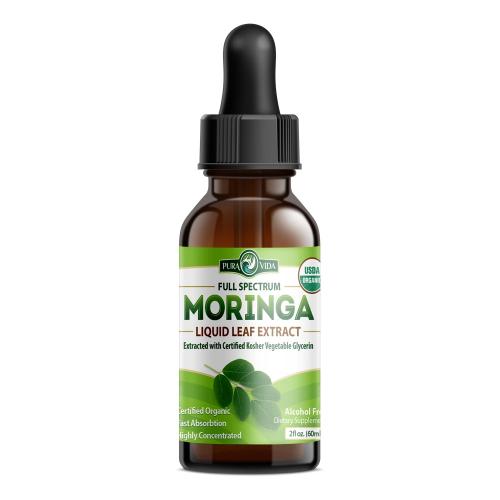
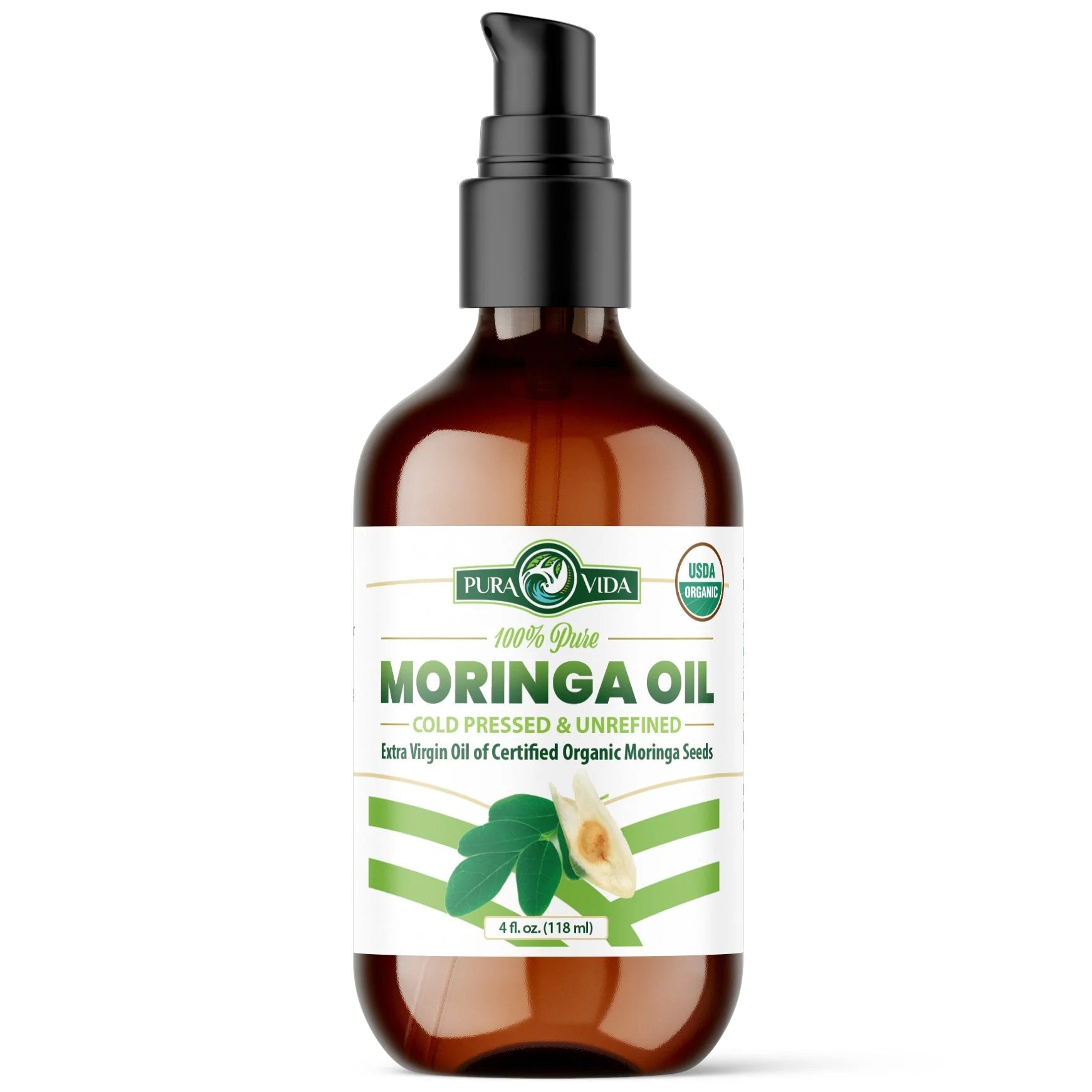
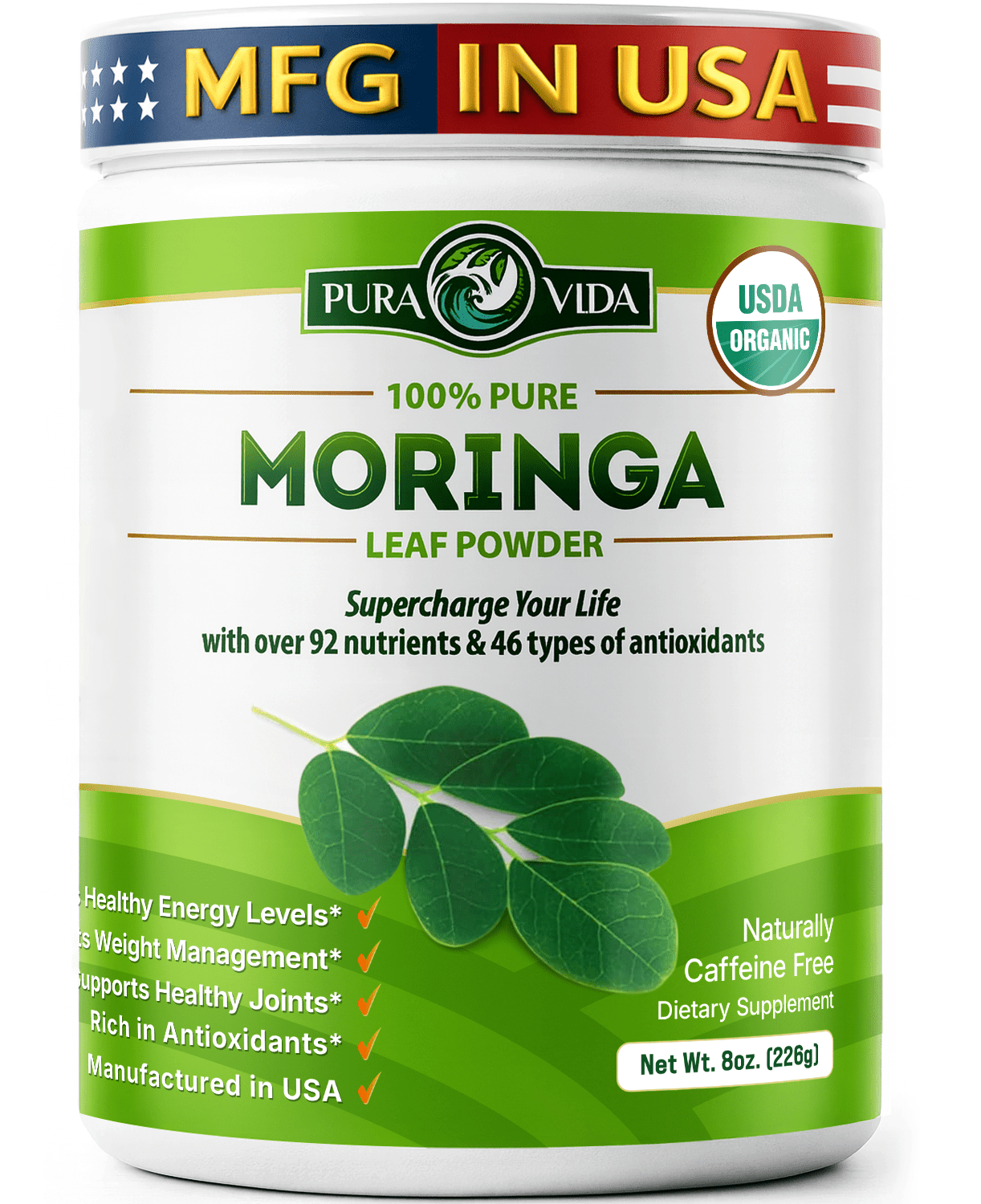
Knowing the signs of low-quality or fake moringa empowers you to make smarter purchasing decisions. Always check color, texture, aroma, taste, and label transparency before buying. As highlighted by Signos, choosing a high-quality moringa product ensures you get the full spectrum of nutrients without the risk of contaminants or fillers. For guaranteed purity and potency, choose certified organic moringa like Pura Vida Moringa—independently tested and sourced from trusted farms.
Want to Feel the Pura Vida Difference?
Experience the real taste, aroma, and benefits of premium moringa. Shop our organic moringa products or explore our moringa benefits guide to learn more.
References & Further Reading
- Medical News Today: Moringa Benefits & Side Effects
- Healthline: 6 Science-Based Health Benefits of Moringa oleifera
- WebMD: Moringa Uses, Side Effects & More
- PubMed: Moringa oleifera — A Review on Nutritive Importance
- Signos: Moringa Powder Benefits & Risks
- Moringa Benefits Guide — Pura Vida Moringa
- All Moringa Products — Pura Vida Moringa
- About Us — Pura Vida Moringa
Disclaimer
This content is for informational purposes and is not medical advice. Always consult your healthcare provider before starting new supplements, especially if you have a medical condition or take medication.