Understanding Low Blood Pressure and Glucose in Sensitive Populations
Low blood pressure (hypotension) and low blood glucose (hypoglycemia) are critical health concerns, especially in children and other sensitive populations (elderly, chronic illness, medication users). Early recognition and proper management can prevent complications and support well-being. This guide covers clinical features, screening tools, nutritional support (including Moringa), and practical advice for caregivers.
Table of Contents
- Understanding Low BP and BG in Children
- Sensitive Populations: Risks and Considerations
- Symptoms and Clinical Features
- Types and Causes
- Screening and Diagnostic Tools
- Prevention and Management
- Role of Nutrition: Moringa
- Sample Recipes
- FAQ
- Resources
Understanding Low BP and BG in Children
- Low BP (Hypotension): Blood pressure below normal range for age, gender, and height. May cause dizziness, fainting, and organ perfusion issues.
- Low BG (Hypoglycemia): Blood glucose below ~70 mg/dL. Can cause shakiness, confusion, seizures, and more.
Sensitive Populations: Risks and Considerations
- Who is sensitive? Children, elderly, those with chronic illness, medication users.
- Risks: Higher vulnerability to complications, atypical symptoms, rapid deterioration.
Symptoms and Clinical Features
Low BP Symptoms: Dizziness, fainting, blurry vision, weakness, confusion.
Low BG Symptoms: Shakiness, sweating, irritability, confusion, paleness, rapid heartbeat.
Types and Causes
Low BP Types:
- Neurally mediated (often in children)
- Orthostatic (on standing up)
- Severe/sudden (trauma, infection)
Low BG Causes:
- Missed meals/fasting
- Excess insulin/medications
- Increased activity
- Chronic/metabolic conditions
Screening and Diagnostic Tools
Blood Pressure Percentile Charts:
- Use height- and age-specific BP percentile curves (similar to CDC growth charts).
- Identify child’s height and gender, then find BP percentile.
Blood Glucose Monitoring:
- Regular checks for children at risk.
- Age-appropriate thresholds.

Prevention and Management
Low BP:
- Hydration
- Stand up slowly
- Compression stockings (if advised)
- Avoid triggers and dehydration
Low BG:
- Balanced meals/snacks
- Medication monitoring
- Quick access to glucose sources
Role of Nutrition: Moringa
Why Moringa?
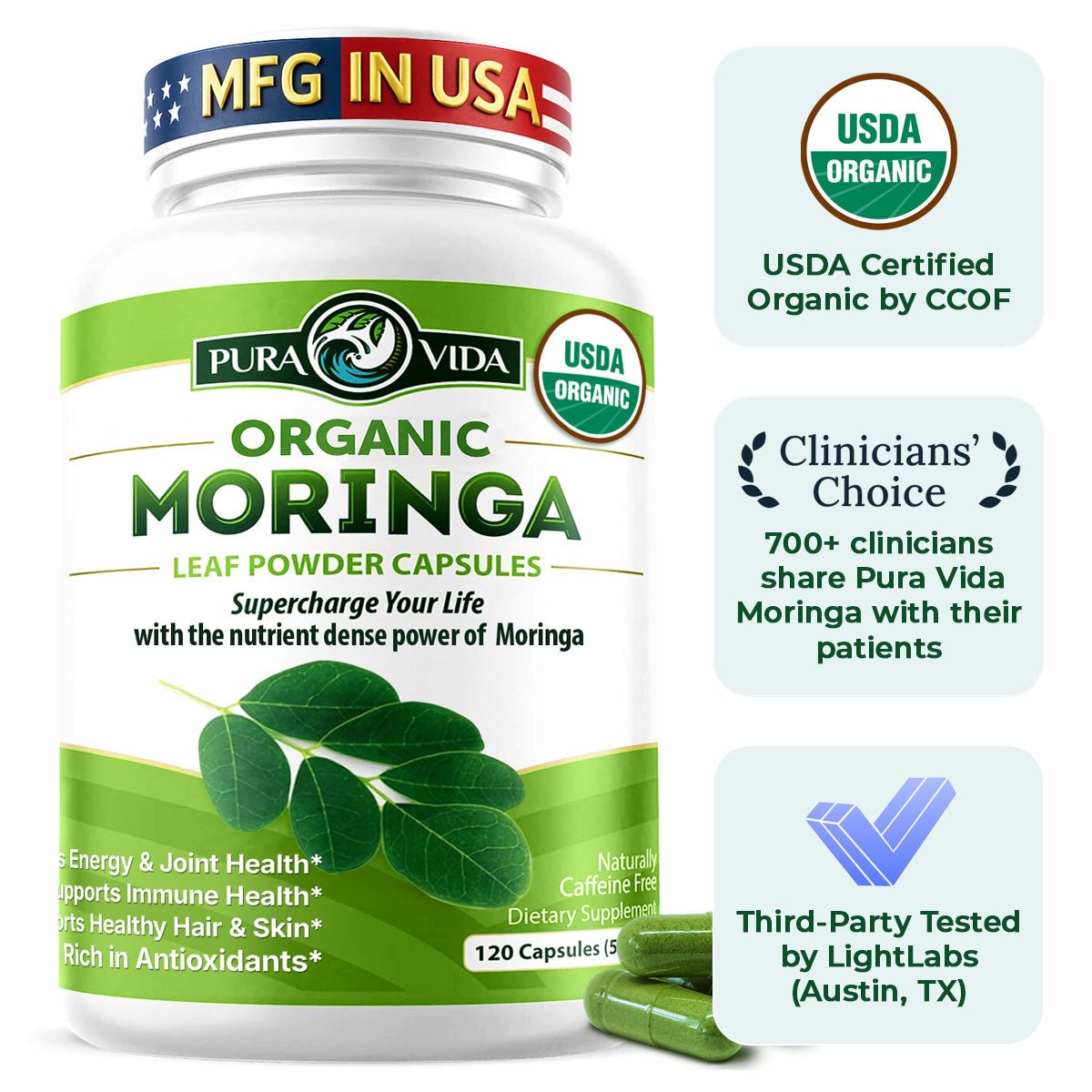
- Nutrient-dense: vitamins, minerals, protein, antioxidants
- Supports BP and BG with potassium, magnesium, and antioxidants
- Easy to add to recipes and snacks
Sample Recipes
Moringa Smoothie
- 1 tsp Moringa powder
- 1 cup almond milk
- 1 banana
- 1 tbsp almond butter
- Blend and serve
Moringa Energy Bars
- 1 cup oats
- 1/2 cup nut butter
- 1/4 cup honey
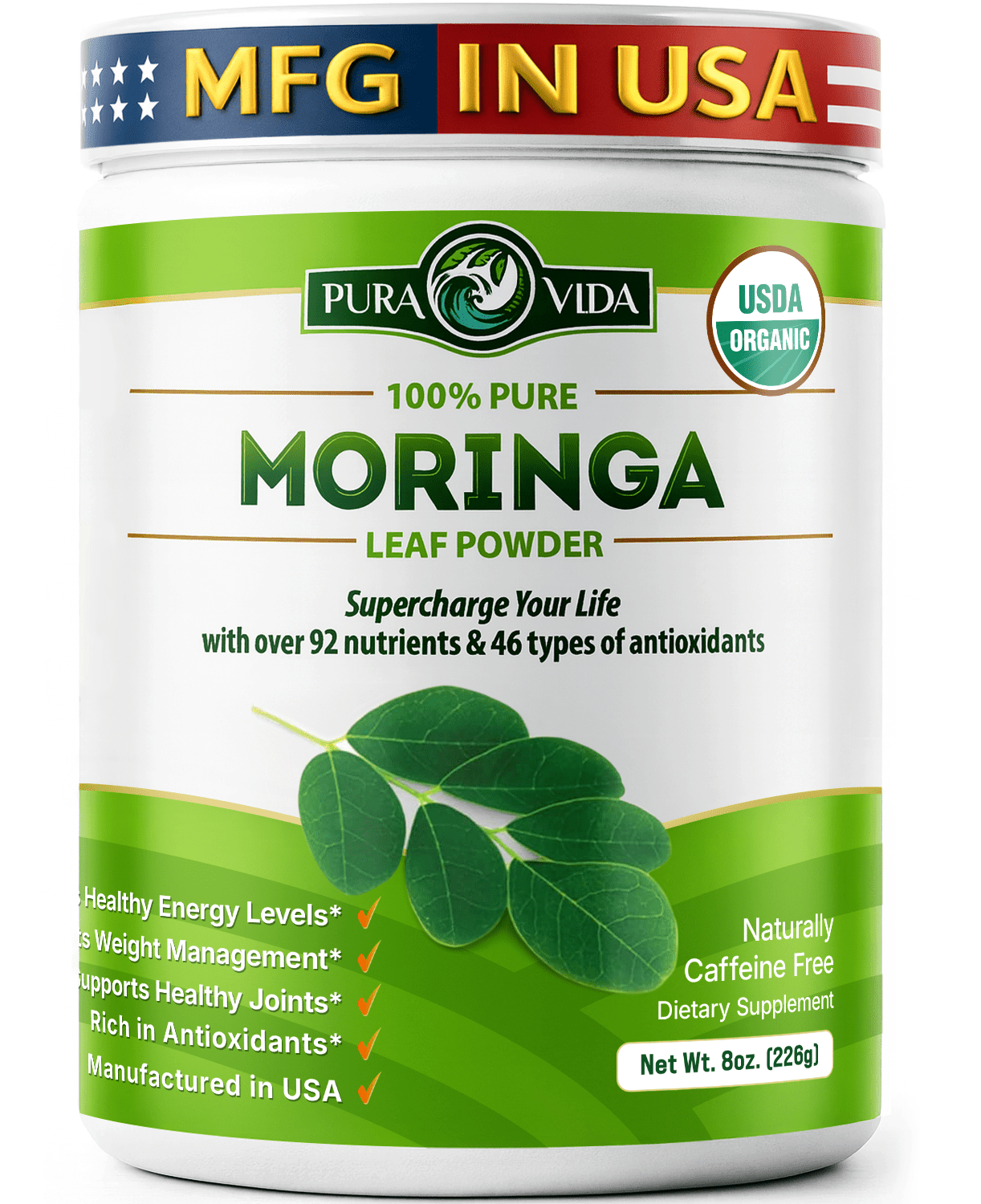
- 1 tbsp Moringa powder
- Mix, press, chill, slice
FAQ
Q: How much Moringa for children? A: 1/2 to 1 tsp daily; consult pediatrician.
Q: Is Moringa safe? A: Generally safe if used as directed; consult healthcare provider.
Q: Can Moringa help with low BP/BG? A: Provides supportive nutrients but is not a substitute for medical care.
Resources
- Blood Pressure Percentile Charts for Children
- Children’s Health: Hypotension
- MedlinePlus: Low Blood Pressure
- MoringaPowder.com: Benefits
Conclusion
Low BP and BG require careful attention in children and sensitive populations. Combine regular screening, nutrition, and professional guidance for best outcomes. Moringa offers nutritional support and is easy to incorporate into daily routines.
Call to Action
Disclaimer
This content is for informational purposes and is not medical advice. Always consult your healthcare provider before starting new supplements, especially if you have a medical condition or take medication.